
About MCSA

Our Work in Practice

Ten areas of work that center migrants in inclusive citizen science — from participation to research systems.

MCSA pursues an inclusive approach to citizen science that centers the experiences and contributions of migrants in the co-production of knowledge. Our work seeks to transform the relationship between science and society by creating participatory pathways for those traditionally underrepresented in research and decision-making — with particular attention to gender, power and marginality.

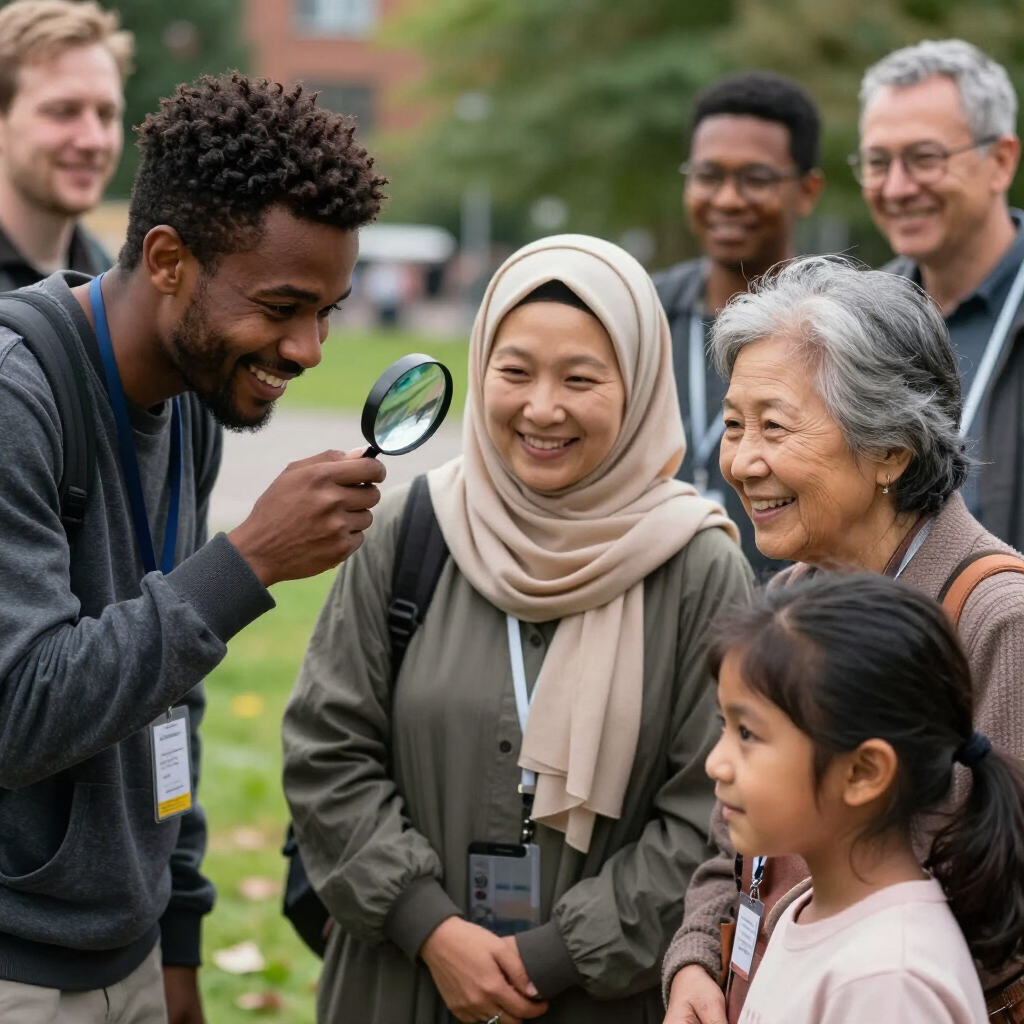
Conceptual illustration: multi-generational people of color gathering outdoors in a community science setting
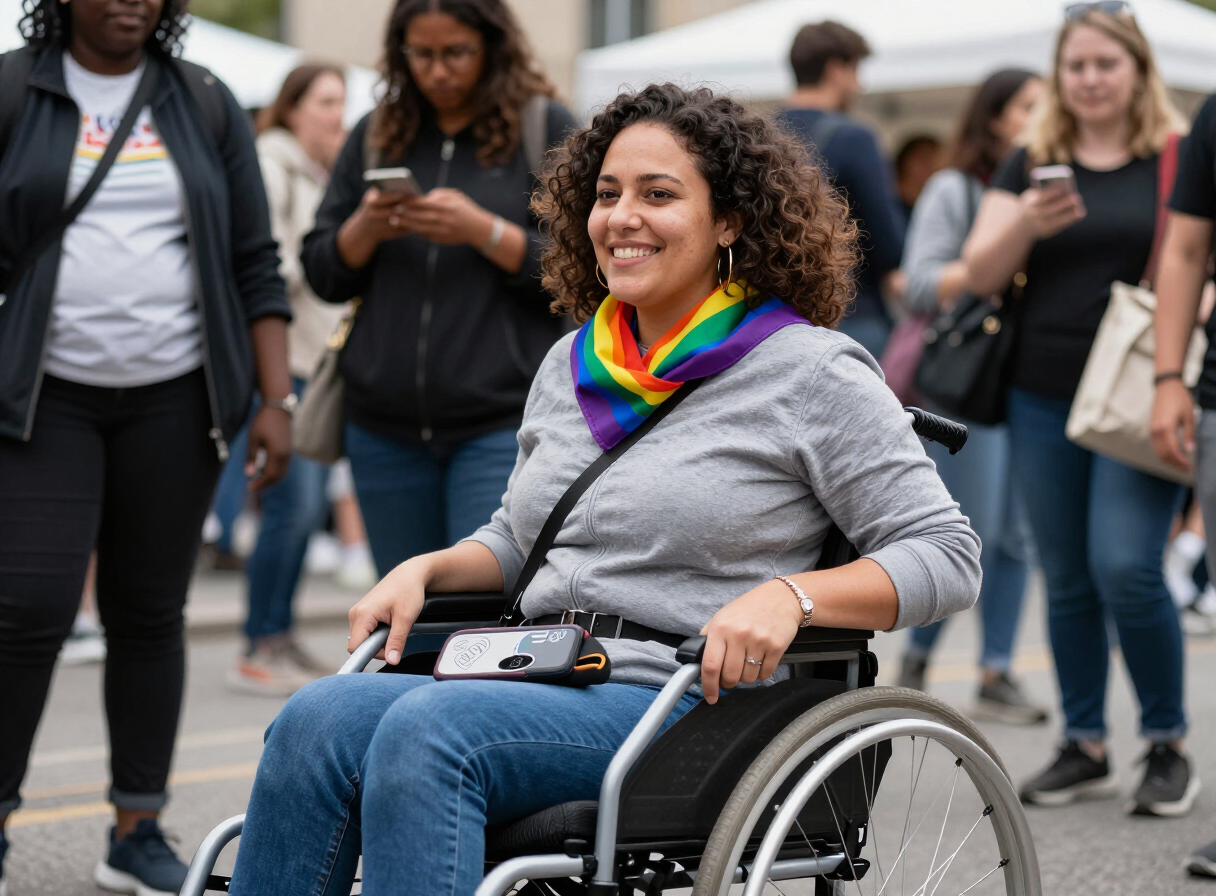
Conceptual illustration: a woman using a wheelchair with friends at an inclusive outdoor community event
Conceptual illustration: diverse adults collaborating around a workshop table
Conceptual illustration: young people sharing knowledge with laptops

Migrants at the heart of inclusive science

MCSA · Everyone belongs

Different experiences. Shared knowledge. Stronger participation in science.

Imagery is conceptual and does not document specific MCSA events or participants.

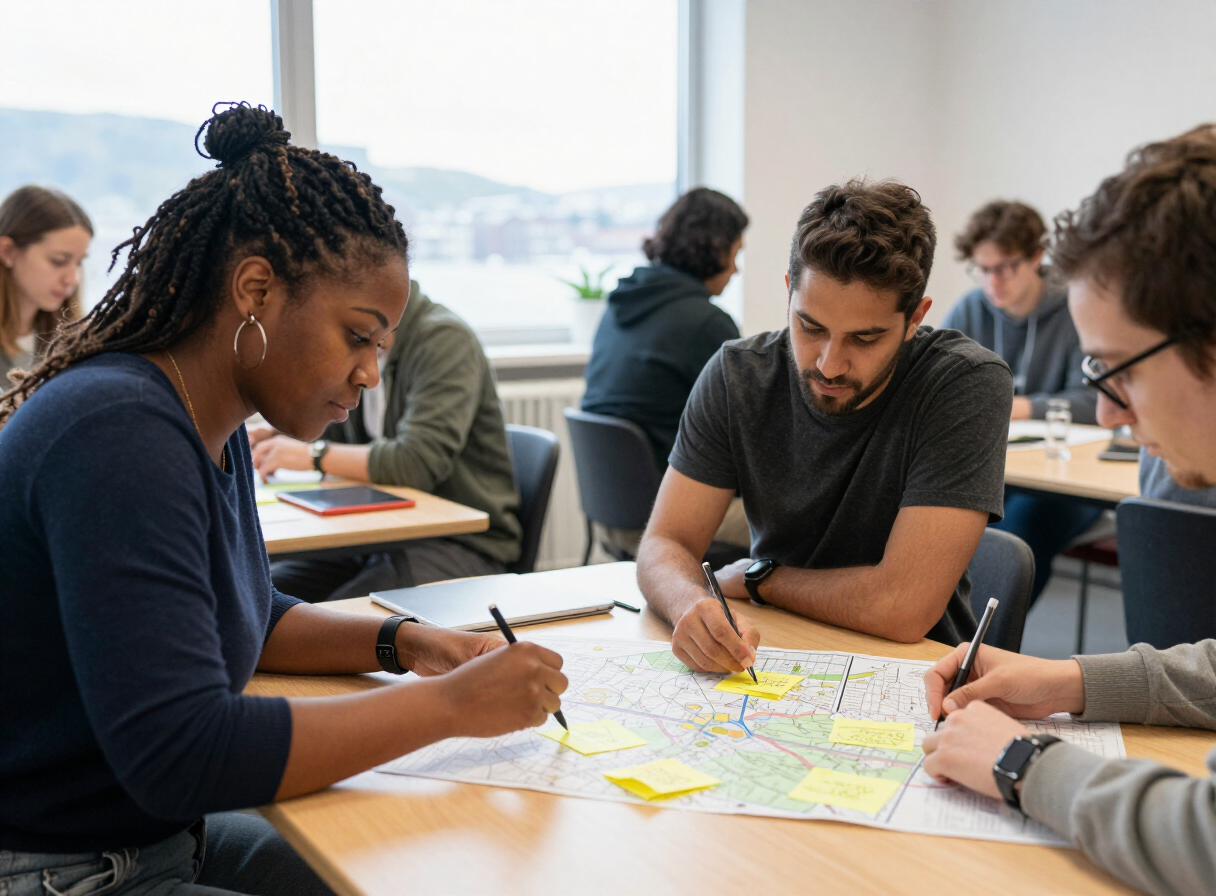
  1. Conceptual illustration: people of color collaborating in a community workshop around maps and notes01

    Advancing participatory research among migrant communities

    MCSA supports the engagement of migrants in all phases of scientific inquiry, particularly on issues that affect their everyday lives.

  2. Conceptual illustration: a facilitator presenting ideas at a whiteboard in an inclusive learning space02

    Strengthening representation and structural inclusion in science

    MCSA promotes increased visibility and participation of migrants in scientific fields, and creates spaces where knowledge can be exchanged on equal terms.

  3. Conceptual illustration: young adults studying and sharing knowledge together with laptops03

    Developing inclusive knowledge ecosystems

    We are building a transnational network of citizen scientists, institutions and community actors to address complex challenges affecting migrant communities.

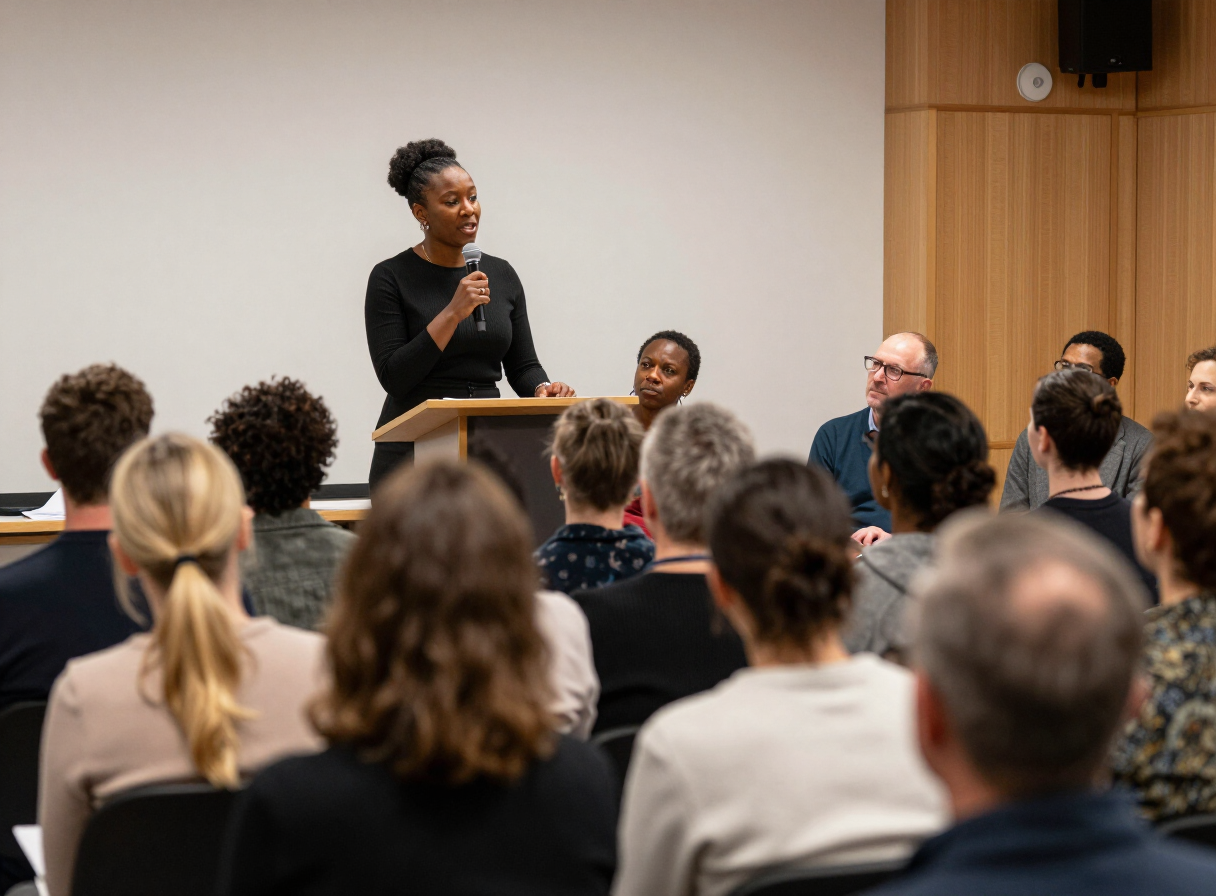
  4. Conceptual illustration: a community speaker addressing an audience at a public forum04

    Promoting recognition of migrant contributions to science and society

    We aim to shift dominant narratives by showcasing the scientific, social and cultural contributions of migrants.

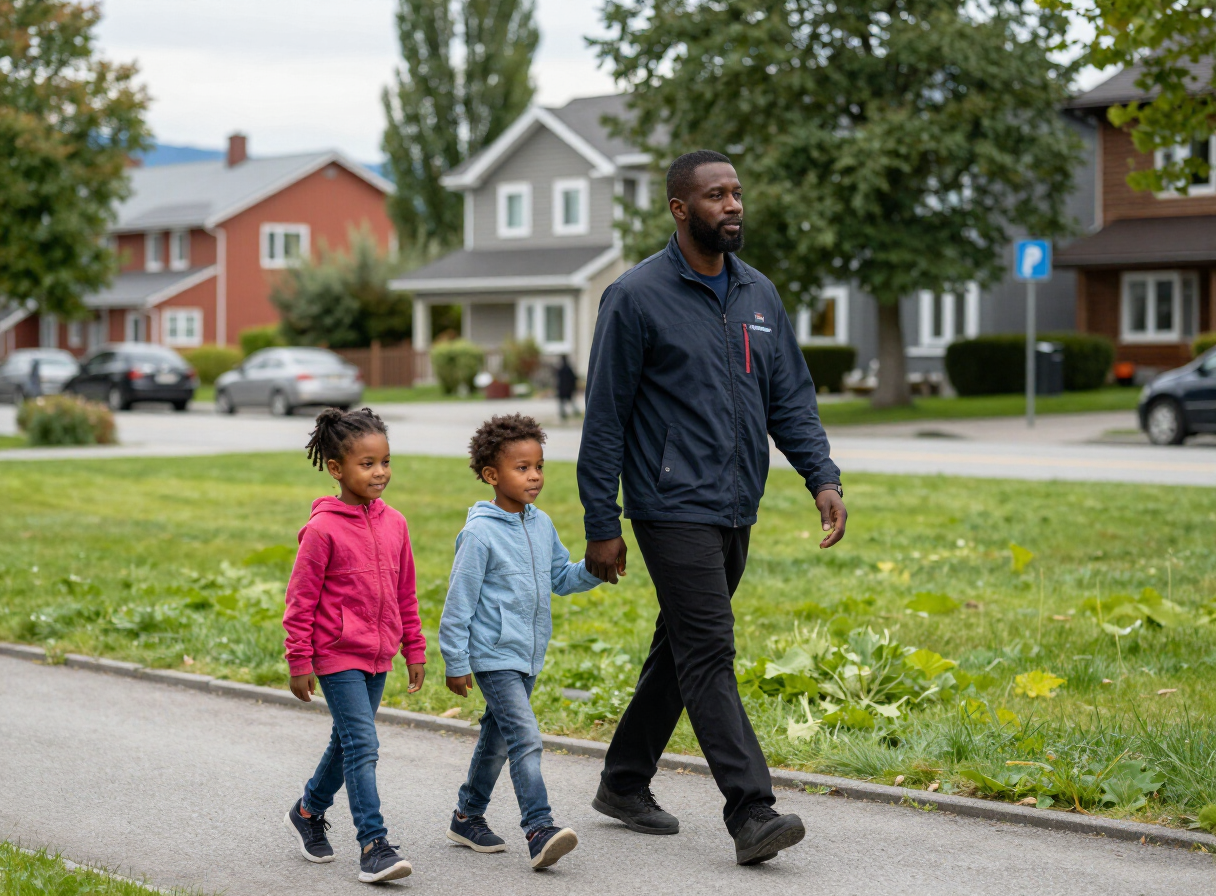
  5. Conceptual illustration: a community worker walking outdoors with children05

    Supporting community-led research and capacity building

    MCSA enables migrants to lead their own citizen science initiatives by offering tailored support in project development, data analysis and knowledge dissemination.

  6. Conceptual illustration: European flags against a blue sky06

    Contributing to a more just and inclusive scientific framework in Europe

    We engage with broader European networks to promote a citizen science model that reflects the diversity of its constituents.

  7. Conceptual illustration: professionals in discussion at a policy meeting table07

    Embedding migrant perspectives in public dialogue and policy

    We facilitate opportunities for migrants to participate in public dialogue and policy consultation, ensuring that their perspectives inform scientific inquiry and institutional practices.

  8. Conceptual illustration: researchers and community partners collaborating around a table08

    Fostering intersectoral collaboration for equitable research practices

    Our partnerships with universities, NGOs and community organizations are grounded in shared responsibility for ethical, inclusive research.

  9. Conceptual illustration: researchers reviewing charts and data on a laptop09

    Generating evidence to inform inclusive policy and practice

    Through empirical research and continuous monitoring, MCSA examines the lived experiences of migrants in science and society.

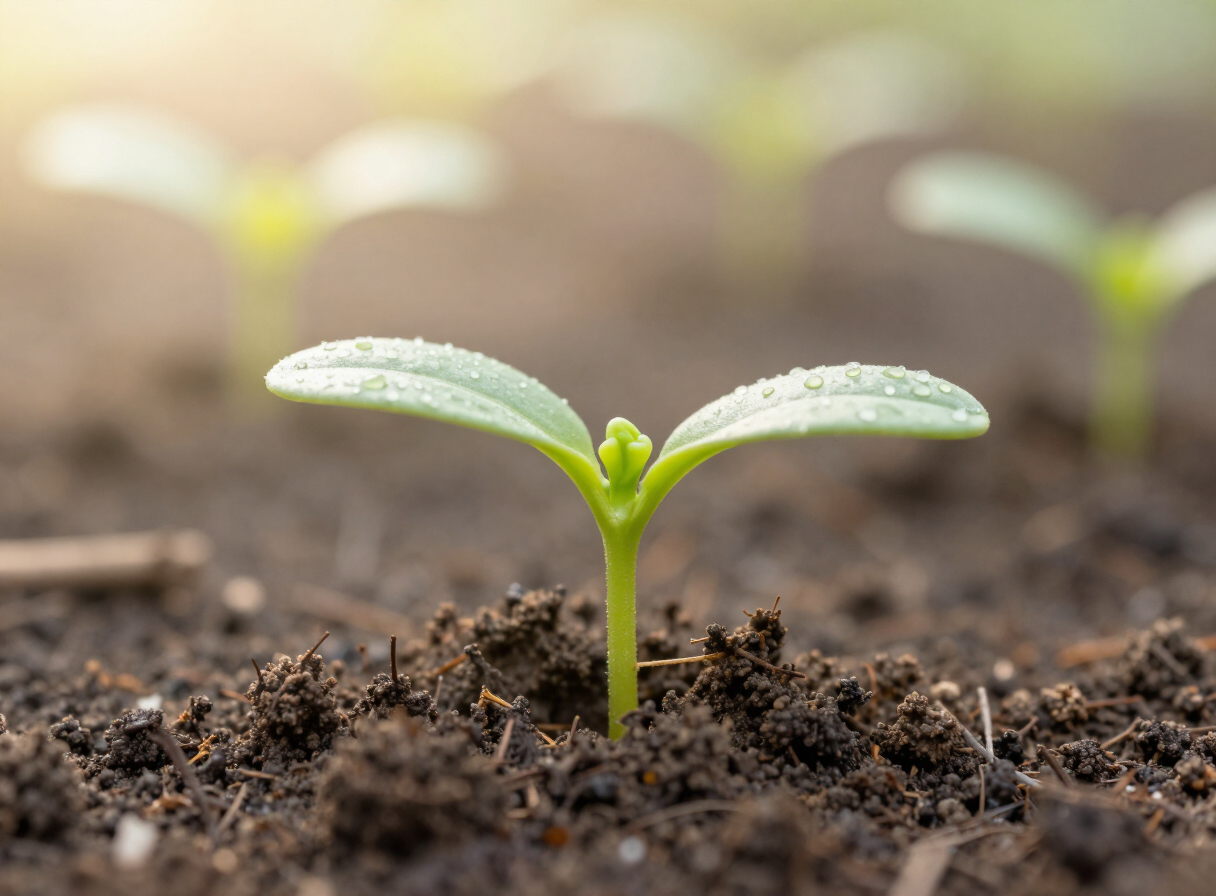
  10. Conceptual illustration: a young plant growing from soil, suggesting long-term support10

    Advocating for sustainable and equitable research infrastructures

    We engage with funders and policymakers to promote long-term support for citizen science initiatives rooted in equity, inclusion and social relevance.

Across these ten areas, MCSA’s work moves from participation and representation, through collaboration and public dialogue, toward more inclusive research systems — without treating any single step as a separate program or branded framework.

How this work connects

The ten work areas above relate people and migrant communities to citizen science, knowledge production, institutions, public dialogue and research infrastructures — as described in MCSA’s existing goals.

  • People and communities

    Migrant communities are centered in participatory research, community-led initiatives and capacity building.

  • Citizen science and research

    Engagement across phases of scientific inquiry, inclusive methodologies and empirical research on lived experience.

  • Knowledge

    Lived experience recognized as knowledge; inclusive knowledge ecosystems and equal exchange of ideas.

  • Institutions and organizations

    Partnerships with universities, NGOs and community organizations for ethical, inclusive research.

  • Public dialogue and policy

    Opportunities for migrants to take part in public dialogue and policy consultation.

  • Research infrastructures

    Advocacy with funders and policymakers for long-term, equitable support for citizen science.

Work hand-in-hand with MCSA

Let us work together to change how science includes the people it concerns. Let science, society and the rest hear our voices.